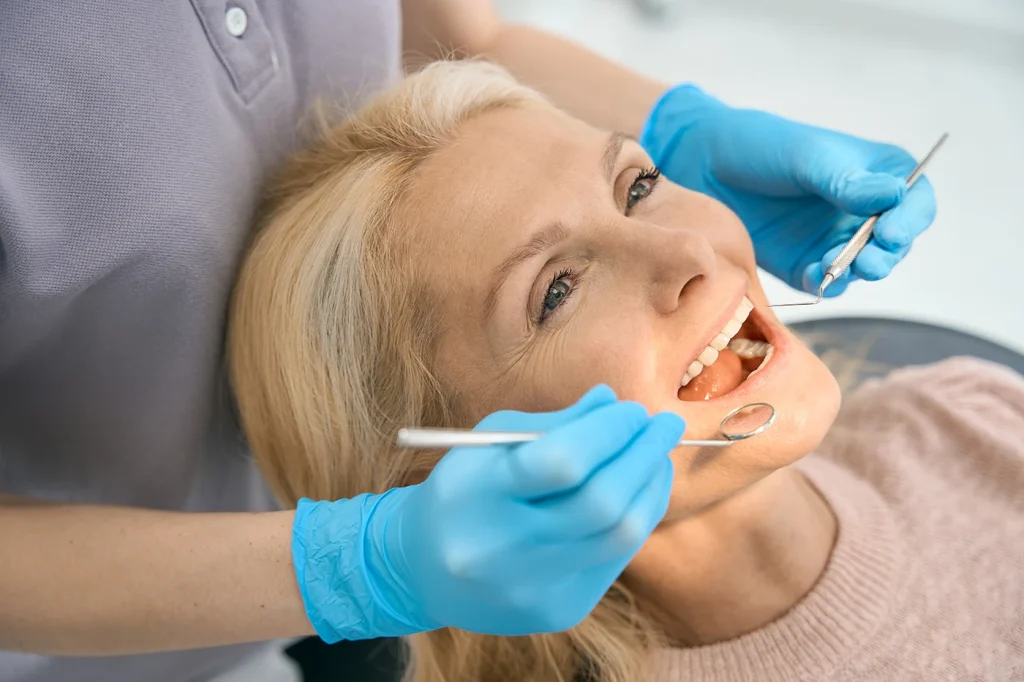
Professional Dental Care You Can Trust
Professional Dental Clinic in Bundall, Gold Coast for Comprehensive Family Care
Family Oriented Dentistry with Comprehensive Services
At Bundall Dental and Implants, we are dedicated to providing professional dental care for the entire family. With over 25 years of experience, our qualified team of dental professionals offers a broad range of dental services designed to help maintain your oral health. From routine dental check-ups to advanced dental treatments, we use modern technology and techniques aimed at providing personalised care in a welcoming environment.
We focus on offering dental solutions designed to address individual needs, whether you require preventive care or complex dental procedures, including cosmetic dentistry, restorative dentistry, and dental implants. Our practice environment aims to foster comfort and confidence, with the goal of making every visit a positive experience. Serving Gold Coast families for over two decades, we continue building relationships with our growing patient community. Experience professional dental health care at Bundall Dental and Implants.
Professional Patient-Centric Dental Care at Bundall Dental and Implants
Comprehensive Dental Solutions
From preventive care to cosmetic enhancements, Bundall Dental and Implants is here to cater to all your oral health needs. We believe in personalised dental care, where every treatment is tailored to suit your individual needs, helping you work toward maintaining your dental health
Routine check-ups, cleaning, fillings, extractions, root canals and other measures designed to support your oral health.
Our Dental Implant options are Single Tooth Replacement, Full Arch Replacement, and Overdentures for smile restoration.
Repairing and restoring damaged teeth to help return function and appearance, offering treatments such as root canal therapy, crowns and bridges.
Prompt care for dental emergencies, including toothaches, broken or chipped teeth, and infections, aiming to provide timely relief and treatment to help address your oral health concerns.
Our Children’s Dentistry services are designed to create a positive and comfortable dental experience for kids. We focus on building healthy habits and ensuring strong, healthy teeth as your child grows.
Schedule an appointment today
Why Choose Bundall Dental and Implants for Your Family’s Dental Care
Highly Skilled and Experienced Dental Professionals
Our team consists of industry-leading experts with years of experience across multiple dental disciplines. Our services range between routine dental check-ups to advanced treatment.
Modern Technology for Precision and Comfort
We utilise contemporary dental technology to provide prompt and quality dental services. This allows us to deliver more accurate diagnoses and minimally invasive treatments, adding to patient comfort and aiding recovery
Individualised Treatment Plans
We believe no two smiles are the same. Every patient receives a customised treatment plan that addresses their unique oral health needs and aesthetic goals.
Relaxing and Comfortable Environment
We understand that visiting the dentist can be stressful. That’s why our clinic is designed to provide a calming, welcoming atmosphere. From comfortable seating to friendly staff, we aim to make your experience as pleasant as possible
Smile Insights: Your Guide to Professional Dental Care
Stay informed with dental health tips and information.
Dental Implants
Dentist in Gold Coast: What to Look for When Choosing Your Dental Care
Choosing a dentist in Gold Coast is about more than finding the closest clinic. Most people want a practice that feels approachable, explains things clearly, and offers care that suits their stage of life, whether that means routine check-ups, cosmetic treatment, urgent pain relief, or more complex restorative work. Source A good starting point is to look for a clinic that offers a broad range of services in one place. That can make long-term care simpler, especially if your needs change over time. At Bundall Dental and Implants, our services include general and preventive dentistry, children’s dentistry, cosmetic dentistry, restorative care, dental implants, gum therapy and emergency dental care. It also helps to choose a dentist who focuses on personalised treatment planning rather than a one-size-fits-all approach. Oral health needs can vary depending on age, existing dental work, gum health, medical history, bite, and personal goals. The care at Bundall Dental and Implants is patient-centred and tailored to individual circumstances, which is exactly the thinking many patients look for when choosing ongoing dental care. Experience matters too, especially when a patient may need more advanced treatment. Dr Mehran Shaibani graduated from the University of Western Australia in 1998, has practised on the Gold Coast since 2002, and has a strong clinical focus on dental implantology and rehabilitation alongside comprehensive general care. For patients, that can mean having access to both routine dentistry and more complex planning under the same roof. Preventive care should still be the backbone of any dental relationship. Regular check-ups and cleans can help identify concerns earlier and support long-term oral health. If you are comparing clinics, it is worth checking whether they place real emphasis on maintenance, monitoring, and clear explanations, not just treatment when something goes wrong. Practical details count as well. A local clinic should be easy to access and suitable for different patient needs. The highlights and advantages of Bundall Dental and Implants include its location, onsite parking, disabled access, and onsite bathrooms, which may make visits easier for families, older adults and patients with mobility concerns. The practice also serves patients from Bundall, Surfers Paradise, Broadbeach, Southport, Mermaid Beach, and nearby Gold Coast areas. For many people, peace of mind also comes from knowing help is available when something unexpected happens. Whether it is tooth pain, trauma, or swelling, having access to a clinic that includes emergency care can be an important part of choosing a dentist in Gold Coast. If you would like to discuss your options, arrange a visit, or ask about suitable treatment pathways, contact us today. FAQs about Dentists in Gold Coast How often should I see a dentist in Gold Coast? Many people benefit from regular check-ups, but the ideal timing depends on their oral health, risk factors, and treatment needs. What services should a good local dentist offer? That depends on your needs, but many patients look for a mix of preventive, restorative, cosmetic, emergency, and family dental care. Is it helpful if a clinic offers both routine and advanced treatments? Yes. A practice that provides general care as well as options such as crowns, implants, extractions, and cosmetic dentistry may offer better continuity if your needs change over time. Why does personalised treatment planning matter? Because no two patients are exactly alike. Dental recommendations may vary depending on your health, bite, goals, and the condition of your teeth and gums. What should I do if I have a dental emergency? If you have significant pain, swelling, bleeding, or trauma, contact a dental clinic promptly to ask about urgent care. Disclaimer: This article is for informational purposes only and does not constitute professional medical or dental advice, diagnosis, or treatment. Every patient's situation is unique, and treatment recommendations may vary based on individual circumstances. Always consult with a qualified dental professional before making decisions about your oral health care. If you have a dental emergency, contact your dentist or seek immediate medical attention.
Read MoreAdmin 2
April 16, 2026
Dental Implants
Dental Implants on the Gold Coast: A Practical Guide to Replacing Missing Teeth
Missing teeth can affect more than just the way your smile looks. Depending on today's life. For many people in Bundall, Surfers Paradise, Broadbeach, Southport and the wider Gold Coast, dental implants come up early in the conversation when looking at tooth replacement options. At Bundall Dental and Implants, implant treatment is part of a broader, patient-focused approach to restoring comfort, function, and oral health. What are dental implants? Dental implants are titanium posts placed into the jawbone to replace missing tooth roots. After healing, they can support a crown, bridge, or denture, depending on how many teeth need to be replaced and what type of restoration is most appropriate. The aim is to provide a stable foundation for tooth replacement rather than a removable solution that relies only on the gum surface. One of the reasons implants are so widely discussed is that replacing a missing tooth is not only about appearance. A gap in the mouth can affect how pressure is distributed when you bite, how neighbouring teeth behave over time, and how comfortable you feel when eating or speaking. Patients comparing options often look at dental bridges vs implants and the wider issue of replacing lost teeth before deciding what questions to raise in consultation. Who may be suitable for dental implants? Suitability is always case-specific. Some patients may be good candidates for implants straight away, while others may first need treatment for gum disease, a tooth extraction, or procedures that improve the support available for the implant. Factors such as oral hygiene, bone volume, bite forces, smoking, medical history, and the condition of nearby teeth all matter. That is why implant planning should begin with proper assessment rather than assumptions. At Bundall Dental and Implants, Dr Mehran Shaibani has a strong clinical focus on implantology, dental rehabilitation, and comprehensive treatment planning. The care is tailored to the individual rather than delivered as a one-size-fits-all recommendation. What types of implant treatment are available? Single tooth replacement If one tooth is missing, a single implant may support an individual crown. This option is often considered when the teeth on either side are otherwise healthy and there is no need to involve them in a bridge. Implant-supported bridges When several teeth are missing together, one implant per tooth is not always necessary. In some cases, strategically placed implants can support multiple joined crowns. This principle is also part of the logic behind larger implant restorations and helps reduce unnecessary surgical intervention where a more efficient design may work well. Full arch replacement, All-on-4, and All-on-X Where all teeth in the upper or lower jaw are missing, or need replacement, full arch treatment may be considered. Bundall Dental and Implants describes All-on-4 and All-on-X as full arch concepts where a fixed bridge is supported by a planned number of implants, often four to six depending on the case. The exact number depends on bone availability, bite demands, and the treatment design required for stability. Implant-supported dentures Some patients may be better suited to implant-supported dentures rather than a fully fixed bridge. This can provide more stability than a conventional removable denture while still depending on the overall goals of treatment and the condition of the mouth. What are the potential benefits? Implants are often considered because they may offer a more stable replacement than removable alternatives. The practice’s implant pages describe support for function, improved stability, and the possibility of helping preserve jawbone in the area of the missing tooth. Full arch implant content also highlights that a fixed implant-supported solution may reduce concerns about slipping or movement that some denture wearers experience. That said, implant treatment should never be presented as automatic, simple, or suitable for everyone. Long-term success depends on planning, healing, hygiene, maintenance and broader health factors. In other words, the idea can be straightforward, but the right recommendation still depends on detailed assessment. What does the treatment process usually involve? The process starts with consultation and assessment. This is the stage where the dentist examines the missing tooth area, checks the health of the gums and remaining teeth, and considers what kind of implant restoration may be appropriate. Some patients are looking at a single missing tooth, while others are dealing with multiple missing teeth, unstable dentures, or complex restorative needs. If additional preparation is needed, this may involve treatment such as tooth extraction, gum care, or bone grafting. Once implants are placed, healing time is usually required before the final crown or bridge is fitted, although some full arch cases may involve provisional teeth on the same day when conditions allow. The timing depends on the stability achieved, the anatomy of the case, and clinical judgement. How are dental implants maintained? Implants still need regular care. Good brushing, cleaning between the teeth, professional maintenance, and review of the surrounding gums all play a part. Patients who grind or clench may also need protective strategies as part of their long-term plan. Even where the implant itself is stable, the health of the tissues around it still matters. That is one reason routine check-ups and cleans remain important. The practice recommends regular six-monthly maintenance visits, with frequency adjusted where needed according to the patient’s oral health and risk profile. What if implants are not the right next step? Not every patient who asks about implants is ready to proceed straight away. Some need time to understand the options. Others may first need attention for root canal treatment, gum problems, a damaged tooth, or a broader restorative plan. Depending on the case, alternatives may include crowns and bridges, dentures, or staged treatment over time. That is why the most useful first step is often not choosing the treatment yourself, but booking an assessment and getting a proper clinical opinion on what suits your mouth, your goals, and your longer-term oral health. FAQs about Dental Implants in Gold Coast Are dental implants painful? Comfort varies from person to person and depends on the procedure involved. The right discussion is not whether implants sound painful online, but how your treatment would be planned, staged, and managed based on your case. How long do dental implants last? There is no universal answer. Longevity depends on factors such as oral hygiene, gum health, bite forces, general health, and regular maintenance. What is the difference between All-on-4 and All-on-X? All-on-4 refers to a full arch implant concept using four implants. All-on-X is a broader term where the number of implants may vary according to the case. Can implants replace more than one missing tooth? Yes, in some cases implants can support bridges or full arch restorations rather than replacing each tooth individually. The design depends on the number of missing teeth and the support available. How do I know if I am suitable for dental implants? Suitability requires a proper dental assessment. Your gums, bone support, bite, medical background, and overall oral health all need to be considered before treatment is recommended. Ready to explore your options with Bundall Dental and Implants? If you are considering dental implants Gold Coast, a personalised consultation is the best place to start. At Bundall Dental and Implants, the focus is on understanding your oral health, explaining the options clearly, and recommending a treatment path that fits your individual needs. Contact Bundall Dental and Implants today to schedule your comprehensive implant consultation. Disclaimer: This article is for informational purposes only and does not constitute professional medical or dental advice, diagnosis, or treatment. Every patient's situation is unique, and treatment recommendations may vary based on individual circumstances. Always consult with a qualified dental professional before making decisions about your oral health care. If you have a dental emergency, contact your dentist or seek immediate medical attention. { "@context": "https://schema.org", "@type": "FAQPage", "mainEntity": [{ "@type": "Question", "name": "Are dental implants painful?", "acceptedAnswer": { "@type": "Answer", "text": "Comfort varies from person to person and depends on the procedure involved. The right discussion is not whether implants sound painful online, but how your treatment would be planned, staged, and managed based on your case." } },{ "@type": "Question", "name": "How long do dental implants last?", "acceptedAnswer": { "@type": "Answer", "text": "There is no universal answer. Longevity depends on factors such as oral hygiene, gum health, bite forces, general health, and regular maintenance." } },{ "@type": "Question", "name": "What is the difference between All-on-4 and All-on-X?", "acceptedAnswer": { "@type": "Answer", "text": "All-on-4 refers to a full arch implant concept using four implants. All-on-X is a broader term where the number of implants may vary according to the case." } },{ "@type": "Question", "name": "Can implants replace more than one missing tooth?", "acceptedAnswer": { "@type": "Answer", "text": "Yes, in some cases implants can support bridges or full arch restorations rather than replacing each tooth individually. The design depends on the number of missing teeth and the support available." } },{ "@type": "Question", "name": "How do I know if I am suitable for dental implants?", "acceptedAnswer": { "@type": "Answer", "text": "Suitability requires a proper dental assessment. Your gums, bone support, bite, medical background, and overall oral health all need to be considered before treatment is recommended." } }] }
Read MoreBundall Dental
April 16, 2026
Dental Implants
Full Mouth Reconstruction on the Gold Coast: What It Involves and Who It Helps
If you are dealing with multiple dental issues such as broken teeth, severe wear, missing teeth, bite discomfort, or repeated restoration failures, treating one tooth at a time may not solve the underlying problem. Full mouth reconstruction is a comprehensive, structured approach designed to restore function, stability, and long-term oral health. At Bundall Dental, full mouth reconstruction is carefully planned to rebuild your bite, improve comfort, and protect your smile for years to come. What Is Full Mouth Reconstruction? Full mouth reconstruction, sometimes called full mouth rehabilitation or oral rehabilitation, is a personalised treatment plan that restores most or all teeth in the upper and lower jaws. It may include a combination of: • Dental crowns and bridges • Dental implants • Gum disease treatment • Root canal where required • Bite correction and occlusal adjustment • Replacement of missing teeth Who May Need Full Mouth Reconstruction? You may be a candidate if you have: • Multiple missing teeth • Teeth worn down from grinding or acid erosion • Cracked, broken, or heavily filled teeth • Advanced gum disease affecting support structures • Bite collapse or difficulty chewing • Chronic jaw discomfort linked to bite imbalance What Does the Process Involve? 1. Comprehensive Examination and Diagnosis Treatment begins with a detailed assessment that may include digital X-rays, photographs, scans, bite analysis, and dental evaluation. 2. Stabilising Oral Health Before final restorations are placed, foundational issues must be addressed. This may include treating gum disease, removing decay, performing root canal therapy where necessary, and extracting teeth that cannot be saved. 3. Rebuilding and Replacing Teeth This stage may involve crowns, bridges, or dental implants, depending on your needs. Learn more about: [Dental Implants on the Gold Coast]. For damaged but restorable teeth, see: [Dental Crowns]. 4. Bite Refinement and Protection Once restorations are placed, your bite is carefully adjusted to ensure even force distribution. A protective nightguard may be recommended if grinding is present. How Long Does Full Mouth Reconstruction Take? Treatment timelines vary depending on complexity. Minor cases may take several months, while implant-based treatment may require additional healing time. Is Full Mouth Reconstruction Painful? Most patients find the process manageable. Treatment is phased with appropriate anesthesia and comfort measures. Benefits of Full Mouth Reconstruction • Restore comfortable chewing • Improve bite stability • Reduce tooth sensitivity • Prevent repeated restoration failure • Improve smile aesthetics • Support long-term oral health Considering Full Mouth Reconstruction on the Gold Coast? If you are dealing with multiple dental concerns and would like a clear long-term plan, Bundall Dental can assess your condition and outline personalised treatment options. Book a consultation today to explore whether full mouth reconstruction is right for you.
Read MoreBundall Dental
March 22, 2026
General Dentistry
Should I Brush My Teeth Before Using Whitening Strips? A Gold Coast Dentist Explains
Most teeth whitening strips use a peroxide-based gel (often hydrogen peroxide or carbamide peroxide). Peroxide works by moving through tiny pathways in enamel and breaking down stain molecules. That is why many people notice improvement in yellow or brown surface staining from coffee, tea, red wine, and smoking. It also explains why some people feel short, sharp sensitivity during teeth whitening. Peroxide can temporarily irritate the tooth nerve, especially if the enamel is worn, if there are exposed roots, or if the gel sits against the gums. Whitening strips are designed to stick to the tooth surface. Anything that blocks contact, such as plaque, a sticky film from food, or heavy tartar, can reduce how evenly the strip gel sits on enamel. If you are based on the Gold Coast, whether in Bundall, Surfers Paradise, Broadbeach, or Southport, and you are considering teeth whitening, understanding how strips work can help you get better results and manage sensitivity more effectively. You can also explore professional teeth whitening options at Bundall Dental and Implants. Brushing before strips: when it helps and why Brushing before you apply strips usually helps for one main reason: it removes plaque and food residue so the strip can sit flush against the enamel. That can support more consistent contact, which is useful for even colour change. Brushing can also reduce the chance that the strip traps debris against the tooth, which can feel unpleasant and may irritate the gums. That said, brushing is not about “scrubbing stains off” right before teeth whitening. The peroxide does the whitening work. Your goal with brushing is simply a clean surface. Brushing right before strips can make sensitivity worse Brushing can be a problem if you are aggressive or if you brush at the wrong time. Whitening gel can irritate tissues more easily if: Your gums are already inflamed or bleeding. You brush too hard and create small abrasions at the gumline. You use a gritty whitening toothpaste right before strips. You brush soon after acidic foods or drinks, when enamel is temporarily softer. Acid exposure can come from citrus, soft drinks, sports drinks, kombucha, vinegar-based foods, and even some vitamin C supplements. If you brush immediately after acid, you may wear enamel more easily. The Australian Dental Association (ADA) gives general advice to wait after acidic foods or drinks before brushing. You can read more in the ADA’s consumer guidance on oral health habits at ada.org.au. You can also read our dental health habits guide for practical tips for Gold Coast patients. The practical answer: brush gently, then wait For many people, a balanced approach works well: Brush gently first (soft toothbrush, light pressure). Floss if you have food stuck between teeth. Wait 15 to 30 minutes before applying strips. This short wait gives saliva time to rebalance the mouth environment and can reduce irritation, especially if you are prone to sensitivity. If you are not sensitive and you have not had acidic foods, you may not need the full wait. But if you have ever had zingers during teeth whitening, waiting is a simple adjustment that can make the routine more comfortable. Brush before or after whitening strips: a quick comparison .green-table { width: 100%; border-collapse: collapse; font-family: Arial, sans-serif; } .green-table th { background-color: #2e7d32; color: white; padding: 12px; text-align: left; } .green-table td { border: 1px solid #c8e6c9; padding: 10px; } .green-table tr:nth-child(even) { background-color: #f1f8f4; } .green-table tr:hover { background-color: #e8f5e9; } Routine option When it can make sense Potential downside Who it suits Brush before strips Helps strips adhere evenly on clean teeth If you brush hard, gums may sting with peroxide Most people using strips Brush immediately after strips Removes leftover gel taste and residue Brushing straight after peroxide may increase sensitivity for some People with low sensitivity Rinse after strips, brush later Gentle way to clear gel without friction You may keep a mild peroxide taste for longer People prone to sensitivity Brush and floss, wait 15 to 30 minutes, then strips Balances cleanliness and comfort Requires planning and a timer People who want a cautious routine A step-by-step at-home routine for teeth whitening strips This routine is designed for readability and practicality, not perfection. Always follow the instructions on your specific product. 1) Check if whitening strips are a fit for you Whitening strips can be reasonable for mild to moderate surface stains. They may not deliver the result you want if you have: Crowns, veneers, or tooth-coloured fillings on front teeth (they do not whiten like enamel) Internal discolouration (for example, after trauma or root canal) Banding or patchy colour from enamel defects If your colour difference is uneven, a teeth whitening dentist can help you understand what can realistically change and what needs a different approach. If you are unsure whether whitening strips are right for you, our cosmetic dentistry team at Bundall Dental and Implants can assess your teeth and recommend the most suitable option. 2) Brush gently (avoid abrasive products) Use a standard fluoride toothpaste and a soft brush. Skip charcoal powders or highly abrasive “whitening” pastes right before strips. Abrasive products can increase irritation and may worsen sensitivity. Aim for a light, thorough brush rather than a long scrub. 3) Floss once, if needed Flossing is useful if you have food between teeth. If flossing makes your gums bleed, do not push through aggressively right before whitening. Bleeding gums can sting when peroxide contacts them. If bleeding is frequent, it is worth booking a check-up and clean. 4) Wait 15 to 30 minutes This is optional, but helpful if you have sensitive teeth. Use the time to dry your teeth slightly with a tissue (if your strip instructions suggest a drier surface) and set a timer. 5) Apply strips carefully (keep gel off gums) Try to place the strip on the tooth surfaces rather than over the gumline. Many people get gum irritation simply because the strip overlaps onto gum tissue. If gel squishes out, wipe it gently with a cotton tip or tissue. 6) Remove strips, then rinse Once you remove the strips, rinse with water. If your teeth feel sensitive, consider postponing brushing for a bit and simply rinsing first. If you prefer brushing after, use a soft brush and go lightly. 7) Avoid stain foods for a short window After teeth whitening, enamel can be more prone to picking up stains for a period of time. If you want to protect your effort, consider limiting coffee, red wine, cola, curry, and soy sauce soon after each session. You do not need an extreme “white diet” for days, but a little awareness of timing can help. Common mistakes that cause patchy whitening with strips Patchiness is one of the most frustrating parts of DIY whitening. It usually comes down to contact, tooth anatomy, or existing dental work. Plaque or tartar causing uneven contact If you have tartar buildup, strips cannot sit smoothly against the enamel. Whitening may look uneven because some areas are shielded. A professional clean can make a noticeable difference before teeth whitening, because it removes hardened deposits that brushing cannot. Overlapping strips onto gums Gum irritation can make it hard to finish a full course of strips. If you stop early, whitening can look uneven. Whitening when you already have sensitivity If you begin whitening while your teeth are already sensitive, you may struggle to keep going. Many people interpret this as “strips do not work,” when the real issue is that the teeth need an assessment first. Expecting crowns or fillings to match Whitening changes natural tooth structure. Restorations are different materials. If you whiten and your crown stays the same shade, you may notice a mismatch. This is one reason a Dentist in Gold Coast can be helpful before you whiten, especially if you have visible dental work such as crowns or tooth-coloured fillings. Teeth whitening and sensitivity: what helps (and what to avoid) Sensitivity is common and often temporary. It does not always mean damage, but it is a signal to adjust. Strategies that may help include: Use a sensitive toothpaste (with potassium nitrate) for 1 to 2 weeks before whitening. Reduce frequency (every second day instead of daily) if product instructions allow. Shorten wear time if the brand permits it. Avoid very cold drinks during your whitening course. Avoid doubling up methods. For example, using strips plus strong whitening trays or harsh whitening toothpastes at the same time can be too much for many people. If sensitivity is strong, persistent, or one tooth hurts more than others, stop and book an exam. A cracked tooth, decay, or gum recession may be the real issue. You can read more about tooth sensitivity causes and treatment, and gum recession on our website. When it is time to see a tooth whitening dentist At-home products can be convenient, but they do not screen for dental problems first. It is worth seeing a clinician before whitening if: You have cavities, broken fillings, or gum disease symptoms. You have significant gum recession or exposed roots. You are pregnant or breastfeeding and want individual advice. You have braces, retainers, or other appliances. You have a history of strong sensitivity. A dentist can also confirm what type of staining you have and whether in-chair whitening or custom trays would be more suitable for your goals. If you are looking for teeth whitening on the Gold Coast look for a clinic that explains risks, checks existing restorations, and discusses realistic shade change. At Bundall Dental and Implants, Dr Mehran Shaibani takes a thorough, patient-centred approach to all cosmetic treatments, including whitening. Teeth whitening Gold Coast: at-home strips vs professional whitening Many people start with strips and later decide they want a more controlled approach. The main differences are concentration, fit, and supervision. At-home strips are one-size and can slip. Professional options can be tailored to your mouth, and your dentist can manage sensitivity, gum protection, and expectations. If you are unsure what path makes sense, you can start with a check-up and clean and ask what would be appropriate for your enamel, gums, and existing dental work. You can also compare porcelain veneers and composite bonding as cosmetic alternatives if whitening alone will not achieve your goals. For local support across Bundall, Surfers Paradise, Broadbeach, and Southport, explore our full range of cosmetic dentistry services at Bundall Dental and Implants. Frequently Asked Questions Should I brush my teeth right before whitening strips? Brushing gently before whitening strips can help them sit evenly on clean teeth. If you are prone to sensitivity, wait 15 to 30 minutes after brushing before applying the strips. Should I floss before using teeth whitening strips? Flossing can help if you have food stuck between teeth. If flossing causes bleeding, avoid aggressive flossing right before whitening because peroxide may sting on irritated gums. Can I use whitening strips after mouthwash? You can, but avoid strong alcohol-based mouthwashes right before whitening if they dry or irritate your gums. If you use mouthwash, consider using a mild formula and waiting a short time. Should I brush my teeth after whitening strips? Many people rinse after removing strips and brush later. If you brush immediately after and notice sensitivity, switch to rinsing first and brushing gently after a short wait. Why are my results uneven with teeth whitening strips? Uneven results can happen if strips do not contact the tooth evenly, if there is tartar buildup, or if you have crowns or fillings that do not whiten. A dental clean and assessment can help. Is professional teeth whitening safer than strips? Professional whitening is supervised and can be customised, which can reduce gum irritation and help manage sensitivity. The right option depends on your teeth, your goals, and your history of sensitivity. { "@context": "https://schema.org", "@type": "FAQPage", "mainEntity": [{ "@type": "Question", "name": "Should I brush my teeth right before whitening strips?", "acceptedAnswer": { "@type": "Answer", "text": "Brushing gently before whitening strips can help them sit evenly on clean teeth. If you are prone to sensitivity, wait 15 to 30 minutes after brushing before applying the strips." } },{ "@type": "Question", "name": "Should I floss before using teeth whitening strips?", "acceptedAnswer": { "@type": "Answer", "text": "Flossing can help if you have food stuck between teeth. If flossing causes bleeding, avoid aggressive flossing right before whitening because peroxide may sting on irritated gums." } },{ "@type": "Question", "name": "Can I use whitening strips after mouthwash?", "acceptedAnswer": { "@type": "Answer", "text": "You can, but avoid strong alcohol-based mouthwashes right before whitening if they dry or irritate your gums. If you use mouthwash, consider using a mild formula and waiting a short time." } },{ "@type": "Question", "name": "Should I brush my teeth after whitening strips?", "acceptedAnswer": { "@type": "Answer", "text": "Many people rinse after removing strips and brush later. If you brush immediately after and notice sensitivity, switch to rinsing first and brushing gently after a short wait." } },{ "@type": "Question", "name": "Why are my results uneven with teeth whitening strips?", "acceptedAnswer": { "@type": "Answer", "text": "Uneven results can happen if strips do not contact the tooth evenly, if there is tartar buildup, or if you have crowns or fillings that do not whiten. A dental clean and assessment can help." } },{ "@type": "Question", "name": "Is professional teeth whitening safer than strips?", "acceptedAnswer": { "@type": "Answer", "text": "Professional whitening is supervised and can be customised, which can reduce gum irritation and help manage sensitivity. The right option depends on your teeth, your goals, and your history of sensitivity." } }] } Book a teeth whitening assessment on the Gold Coast If you are considering teeth whitening and you want to avoid avoidable sensitivity or patchy results, a pre-whitening check can help identify issues like decay, gum recession, or old restorations that may affect the outcome. If you are looking for a Dentist in Gold Coast, Bundall Dental & Implants can talk you through your options, including whether whitening strips are suitable for you and how to use them with less irritation. Visit Bundall Dental & Implants to book an appointment or explore more oral health resources.
Read MoreBundall Dental
March 13, 2026
Dental Implants
Dental Bridge Infection Symptoms: Signs, Causes and Prevention on the Gold Coast
A dental bridge is a reliable and widely used solution for replacing one or more missing teeth. When properly placed and maintained, a bridge can last many years and function much like a natural tooth. However, like any dental restoration, a bridge can be vulnerable to infection if bacteria accumulate beneath it or around the supporting teeth. Knowing the early warning signs of a dental bridge infection, understanding what causes them, and taking steps to prevent problems are all important parts of protecting your oral health. At Bundall Dental and Implants on the Gold Coast, our team provides assessment, treatment, and preventive care for patients with bridges from across Bundall, Surfers Paradise, Broadbeach, and Southport. 7 Signs of a Dental Bridge Infection The following information is a general guide only. If you are experiencing any of these symptoms, please seek a professional assessment promptly. 1. Persistent Throbbing Pain Some discomfort after bridge placement or adjustment is normal and typically settles within a few days. Pain that is deep, pulsating, and worsening over time is a different matter. This type of persistent ache may indicate that bacteria have reached the nerve or surrounding tissue of a supporting tooth. If pain has not resolved after five or more days, book a dental review. 2. Swollen Gums or Abscess Near the Bridge Red, tender, or swollen gum tissue around a bridge, particularly if accompanied by a small pimple-like bump on the gum, may indicate that infection has developed beneath the pontic (the false tooth) or along the bridge margins. A bump of this kind often suggests a deeper abscess that warrants prompt attention. Contact our emergency dental team if swelling is significant or spreading. 3. Sensitivity to Hot and Cold Sharp sensitivity to hot food or cold drinks that lingers for more than 30 seconds after the stimulus is removed may suggest a cavity has formed beneath the crown of a supporting tooth, exposing the underlying dentin or nerve. This type of thermal sensitivity should not be ignored or managed with sensitive toothpaste alone without a clinical assessment. 4. Pain When Chewing Discomfort, specifically when biting down on the bridge area, may indicate that infection has reached the periodontal ligament, or that the bite has shifted due to inflammation. Left unaddressed, continued pressure can worsen the supporting teeth's condition. 5. Persistent Bad Breath or Foul Taste Bad breath that does not resolve with brushing or rinsing, or a persistent unpleasant taste in the mouth, can be a sign that bacteria, plaque, or food debris has accumulated beneath the bridge. Anaerobic bacteria produce sulphur compounds that cause noticeable halitosis and can signal active infection at the gum margin or beneath the pontic. 6. A Loose or Ill-Fitting Bridge A bridge that feels unstable, shifts slightly, or no longer fits as it once did may indicate that the underlying support structure has been compromised by infection or decay. A loose bridge also creates larger gaps where bacteria can enter, increasing the risk of further problems. Do not delay having a loose bridge assessed, as early intervention is generally simpler than treatment at a later stage. 7. Swollen Lymph Nodes Tender or enlarged lymph nodes beneath the jaw or along the neck are a signal that the body is responding to a spreading infection. This symptom, particularly when accompanied by any of the above, warrants urgent dental or medical attention. What Causes a Dental Bridge Infection? Plaque and Tartar Accumulation The space beneath the pontic and around the bridge margins is a common site for plaque to accumulate. Without proper cleaning using tools such as a floss threader or water flosser, plaque hardens into tartar over time, irritating the gum tissue and exposing the roots of supporting teeth to bacterial damage. Deteriorating Bridge Margins Over time, the cement holding a bridge in place can break down, creating a microscopic gap between the crown and the tooth. This gap allows bacteria to enter and cause decay in areas that cannot be reached by a toothbrush. Nerve Involvement in a Supporting Tooth If a supporting tooth develops deep decay or has experienced trauma, the nerve can become affected. Even though the tooth is covered by a crown, infection can develop at the root tip or spread into the surrounding jawbone, requiring root canal treatment to resolve. Normal Discomfort vs Infection: How to Tell the Difference Feature Normal Adjustment Possible Infection Duration Settles within 3 to 5 days Persists beyond 5 days or worsens Pain type Mild soreness or tenderness Throbbing, sharp, or radiating Triggers Biting firm foods Spontaneous pain without stimulus Gum appearance Pink, mild temporary redness Red, swollen, or bleeding Taste or breath Normal Foul taste or persistent bad breath If your symptoms align with the right-hand column, contact our team for a prompt assessment. How to Prevent a Dental Bridge Infection Prevention is far more straightforward than treatment. The following steps can significantly reduce the risk of infection developing around a dental bridge. Use a Floss Threader or Superfloss Daily Because a bridge is fused across multiple teeth, standard floss cannot pass between them as it normally would. Using a floss threader or superfloss allows you to clean beneath the pontic and around the margins of supporting teeth daily, removing the plaque that a toothbrush cannot reach. Consider a Water Flosser A water flosser uses a pressurised stream of water to flush debris and bacteria from beneath the bridge and around the gumline. It is a gentle and effective complement to flossing, particularly for patients who find manual threading difficult. Read more about good oral hygiene habits on our website. Attend Regular Check-Ups and Cleans Professional check-ups and cleans every six months allow your dentist to detect early signs of problems around your bridge, including marginal leakage, tartar buildup, and early gum changes, before they develop into more complex issues. X-rays are also used to assess the health of supporting teeth and surrounding bone. Address Any Looseness or Discomfort Promptly Do not wait and see if a loose bridge or persistent discomfort resolves on its own. Early intervention is nearly always simpler and less involved than treatment at a later stage. Support Your Gum Health Gum disease is a significant risk factor for complications around dental bridges. Maintaining healthy gums through regular brushing, flossing, a balanced diet, and routine professional care provides the best foundation for the long-term stability of your restoration. Treatment Options for a Dental Bridge Infection Treatment depends on the nature and severity of the infection. Options your dentist may discuss include: Infection management: In some cases, antibiotics may be prescribed as part of a broader treatment plan to help reduce swelling and bacterial load before further treatment is undertaken. Root canal treatment: If the nerve of a supporting tooth has been affected, root canal treatment may be recommended. In certain cases, this can be performed through a small opening in the existing bridge, preserving the restoration. Bridge removal and replacement: Where the supporting teeth or underlying structure have been significantly compromised, removal of the bridge may be necessary to allow full treatment of the decay or infection. Once the area has healed, a new bridge or an alternative such as dental implants can be discussed. Dr Mehran Shaibani will assess your individual situation and discuss all appropriate options with you at your consultation. Frequently Asked Questions Can I treat a dental bridge infection at home? No. Home remedies such as clove oil or saltwater rinses may temporarily reduce discomfort but do not address the underlying cause. A clinical assessment is required to identify the source of infection and provide appropriate treatment. Can a dental bridge infection spread? Yes. Untreated dental infections can spread to surrounding teeth, the jawbone, and in serious cases, to other areas of the body. If you experience significant swelling, fever, or difficulty swallowing, seek urgent medical or dental attention. Will I always need the bridge removed if there is an infection? Not necessarily. In some cases, root canal treatment can be performed through the existing bridge. Removal is considered when the supporting tooth no longer has sufficient structural integrity to support the restoration. How often should I have my bridge checked? We recommend a check-up and clean every six months. This allows your dentist to monitor the condition of your bridge, the supporting teeth, and the surrounding gum tissue. Is a dental bridge still a good option, or should I consider implants? Both bridges and dental implants are effective tooth replacement options, each with advantages depending on your clinical situation. Your dentist can discuss the most appropriate option based on your oral health, bone levels, and treatment goals. { "@context": "https://schema.org", "@type": "FAQPage", "mainEntity": [{ "@type": "Question", "name": "Can I treat a dental bridge infection at home?", "acceptedAnswer": { "@type": "Answer", "text": "No. Home remedies such as clove oil or saltwater rinses may temporarily reduce discomfort but do not address the underlying cause. A clinical assessment is required to identify the source of infection and provide appropriate treatment." } },{ "@type": "Question", "name": "Can a dental bridge infection spread?", "acceptedAnswer": { "@type": "Answer", "text": "Yes. Untreated dental infections can spread to surrounding teeth, the jawbone, and in serious cases, to other areas of the body. If you experience significant swelling, fever, or difficulty swallowing, seek urgent medical or dental attention." } },{ "@type": "Question", "name": "Will I always need the bridge removed if there is an infection?", "acceptedAnswer": { "@type": "Answer", "text": "Not necessarily. In some cases, root canal treatment can be performed through the existing bridge. Removal is considered when the supporting tooth no longer has sufficient structural integrity to support the restoration." } },{ "@type": "Question", "name": "How often should I have my bridge checked?", "acceptedAnswer": { "@type": "Answer", "text": "Yes. Untreated dental infections can spread to surrounding teeth, the jawbone, and in serious cases, to other areas of the body. If you experience significant swelling, fever, or difficulty swallowing, seek urgent medical or dental attention." } },{ "@type": "Question", "name": "Will I always need the bridge removed if there is an infection?", "acceptedAnswer": { "@type": "Answer", "text": "Not necessarily. In some cases, root canal treatment can be performed through the existing bridge. Removal is considered when the supporting tooth no longer has sufficient structural integrity to support the restoration." } },{ "@type": "Question", "name": "How often should I have my bridge checked?", "acceptedAnswer": { "@type": "Answer", "text": "We recommend a check-up and clean every six months. This allows your dentist to monitor the condition of your bridge, the supporting teeth, and the surrounding gum tissue." } },{ "@type": "Question", "name": "Is a dental bridge still a good option, or should I consider implants?", "acceptedAnswer": { "@type": "Answer", "text": "Both bridges and dental implants are effective tooth replacement options, each with advantages depending on your clinical situation. Your dentist can discuss the most appropriate option based on your oral health, bone levels, and treatment goals." } }] } Book Your Assessment at Bundall Dental and Implants If you are experiencing any of the symptoms described above, or would like a review of your existing bridge, our team at Bundall Dental and Implants on the Gold Coast is here to help. Serving patients from Bundall, Surfers Paradise, Broadbeach, Southport, Mermaid Beach, and Robina, we provide thorough, patient-centred care in a modern and welcoming environment. About Bundall Dental and Implants Bundall Dental and Implants is a leading dental practice on the Gold Coast, offering comprehensive general, cosmetic, restorative, and emergency dental care for patients of all ages. Led by Dr Mehran Shaibani, our team is committed to high-quality, ethical, and patient-centred dentistry. We proudly serve Bundall, Surfers Paradise, Broadbeach, Southport, and the surrounding Gold Coast suburbs. 🔗 Visit our homepage Disclaimer:This article is for informational purposes only and does not constitute professional medical or dental advice, diagnosis, or treatment. Every patient's situation is unique, and treatment recommendations may vary based on individual circumstances. Always consult with a qualified dental professional before making decisions about your oral health care. If you have a dental emergency, contact your dentist or seek immediate medical attention.
Read MoreBundall Dental
March 10, 2026
Cosmetic Dentistry
How Long Does Composite Bonding Last
Composite bonding can be a practical way to improve the look of chipped edges, uneven tooth shape, or small gaps without major changes to your natural tooth. Whether you are based in Bundall, Surfers Paradise, Broadbeach, or Southport, the answer depends on your bite, daily habits, and how the resin is placed and maintained. For many people, bonding holds up for years before it needs a touch-up, repair, or replacement. This article explains what affects the lifespan of bonding, what you can expect over time, and how to look after bonded teeth so they stay smooth and natural-looking. If you are comparing options with a local provider, you can also review treatment information on our composite bonding and cosmetic dentistry page. What is composite bonding, and why does it wear over time? Bonding uses a tooth-coloured resin that is shaped on the tooth surface and then hardened with a curing light. It is commonly used on front teeth because it can conservatively improve shape and symmetry. Even though modern resin is strong, it is not indestructible. Over time, it can: Pick up stains (especially along edges and margins) Lose surface gloss and look slightly dull Chip at thin edges or corners Wear down if it is taking heavy bite forces Longevity also depends on how much resin is added and where it is placed. A small corner repair tends to last longer than resin that covers a large area or changes the bite. At Bundall Dental and Implants on the Gold Coast, Dr Mehran Shaibani assesses your bite and tooth condition before recommending bonding to ensure the placement is appropriate for your long-term needs. How long does composite bonding last for most people? The following information is a general guide only. Individual outcomes vary based on clinical factors, oral habits, and how well bonding is maintained over time. Most patients want a simple number. In day-to-day life, bonding often lasts several years, and sometimes longer, with careful maintenance. It may need earlier repair if you clench or grind, bite hard foods with your front teeth, or have a job or hobby that increases the chance of accidents. Dentistry research on direct composite restorations published by the Japanese Dental Review reports multi-year survival rates, with the most common reasons for replacement being fracture, debonding, staining that cannot be polished, or decay forming at the margin. In other words, bonding usually does not “expire” on a set date. It tends to be maintained over time. A consultation with a clinician can help you get a more personal estimate because bite, enamel condition, and the size of the change you want matter. Typical lifespan by bonding type .green-table { width: 100%; border-collapse: collapse; font-family: Arial, sans-serif; } .green-table th { background-color: #2e7d32; color: white; padding: 10px; text-align: left; } .green-table td { border: 1px solid #c8e6c9; padding: 10px; } .green-table tr:nth-child(even) { background-color: #f1f8f4; } .green-table tr:hover { background-color: #e8f5e9; } Bonding type Where it is used Common wear pattern What usually shortens lifespan Small chip repair Front tooth edge or corner Minor edge wear over time Biting hard foods, accidents Gap closure Between front teeth Staining at the join, small chips Poor flossing, smoking, heavy bite Shape and length changes Several front teeth Gradual edge wear, loss of gloss Grinding, nail biting, using teeth as tools High bite load areas Teeth that hit first when closing Chipping or debonding Unbalanced bite, bruxism This is also why searching for the cost of composite bonding in Gold Coast can be confusing. Pricing varies by clinic and case complexity, but lifespan is more connected to function and maintenance than to postcode. Key factors that affect how long bonding lasts Bonding is technique-sensitive and lifestyle-sensitive. Two people can get bonded on the same day and have very different outcomes. Bite forces and tooth grinding Clenching and grinding (bruxism) can place heavy stress on the resin, particularly on thin edges. Signs can include flattened teeth, jaw soreness in the morning, or headaches. If you grind, ask your dentist whether a night guard is appropriate. You can also read more about teeth grinding and bruxism on our website. Where the bonding sits on the tooth Bonding that sits on a protected surface generally lasts longer than bonding placed on an incisal edge that is used to bite into food. The more the bonding is asked to “do the work” of chewing, the more it is likely to wear. Diet, staining, and acidity Composite resin can stain more easily than natural enamel. Frequent coffee, tea, red wine, and smoking can reduce the cosmetic lifespan even if the bonding is still intact. Acidic drinks (like soft drinks, sports drinks, or frequent citrus) can also contribute to enamel wear around the margins. That can affect how the bonding blends with the tooth. Oral hygiene and decay risk Bonding sits at the tooth surface, so plaque control is important. If decay starts near the margin, the resin may need replacement to protect the tooth. The Australian Dental Association provides general guidance on brushing, flossing, and diet habits that support long-term oral health. You can also explore our dental health habits guide for practical tips suited to Gold Coast patients. Placement technique Adhesive dentistry relies on clean enamel and good moisture control. Saliva contamination during placement can reduce bond strength. Careful shaping, layering, and curing also influence how well the resin resists wear and staining. If you are searching for a composite bonding dentist, it is reasonable to ask how the clinician plans your bite, isolates the tooth during bonding, and handles follow-up polishing. What you can do to help composite bonding last longer Bonding maintenance is mostly about reducing stress on the resin and keeping margins clean. Choose tooth-friendly habits Try to avoid using your front teeth as tools. That includes opening packets, tearing tape, biting fingernails, or chewing on pens. If you regularly eat very hard foods, consider cutting them into smaller pieces and chewing with your back teeth when possible. Stay on top of professional check-ups Routine visits allow a dentist to spot small issues early, such as: A tiny edge chip that can be polished smooth A high bite contact that concentrates force Early staining that can be reduced with polishing This type of maintenance can extend the time before you need replacement. Ask about polishing Bonding can often be refreshed with polishing. This does not change the structure much, but it can improve gloss and reduce superficial stain. Consider a night guard if you grind A guard does not make bonding indestructible, but it can reduce repeated edge stress during sleep. If you have signs of bruxism, it is worth discussing. What to expect after bonding, year by year Bonding tends to change gradually. Many people notice cosmetic changes before structural ones. First week Your bite may feel slightly different at first. Mild sensitivity can occur, especially if the edge was reshaped. If something feels “high” when you close, call your clinic so it can be adjusted. 6 to 12 months Bonding commonly looks stable. If there is a minor stain, it may be improved with a professional polish. 2 to 5 years This is when small chips or edge wear are more likely to show up, especially for people who bite into hard foods with their front teeth. Many small repairs can be done without replacing the entire bonded area. 5 years and beyond Some people keep bonding longer with occasional repairs. Others prefer a refresh for cosmetic reasons, such as colour mismatch or dullness. Repair vs replacement: what happens if bonding chips? One advantage of bonding is that it is often repairable. A small chip can sometimes be rebuilt by roughening the surface, re-bonding, and adding more resin. Replacement is more likely when: There is decay at the margin The resin has extensive staining that polishing cannot improve The shape needs redesign to improve bite or symmetry The bonding has debonded across a wide area If you notice a rough spot, a visible crack line, or floss catching on an edge, it is worth booking a review rather than waiting. Composite bonding compared with other cosmetic options People asking how long does composite bonding last often want to compare it to veneers or whitening. Each option has its place. .green-table { width: 100%; border-collapse: collapse; font-family: Arial, sans-serif; } .green-table th { background-color: #2e7d32; color: #ffffff; padding: 12px; text-align: left; } .green-table td { border: 1px solid #c8e6c9; padding: 10px; } .green-table tr:nth-child(even) { background-color: #f1f8f4; } .green-table tr:hover { background-color: #e8f5e9; } Option Tooth structure change Can it be repaired? Typical maintenance pattern Common reason people choose it Bonding Minimal in many cases Often yes Polishing and small repairs Conservative shape changes Porcelain veneers Usually more preparation Less repairable than resin Longer colour stability Major shape or colour change Whitening None Not applicable Repeat as needed Brighter shade without reshaping A dentist can talk you through which option suits your teeth, bite, and expectations. You can explore each of these options in more detail on our website: porcelain veneers, teeth whitening, and tooth-coloured fillings. Cost considerations for the Gold Coast Patients in Gold Coast often search for the cost of composite bonding when comparing treatment options. Fees can vary based on: How many teeth are treated Whether it is a small repair or a more involved reshape The time needed for shade matching and finishing Whether bite adjustments or follow-ups are required If you are looking at dentists on the Gold Coast, focus on getting a clear plan from the doctor. Ask what maintenance is likely, and what happens if a repair is needed later. You can book an appointment for an initial consultation on our website, Bundall Dental and Implants. How to care for composite-bonded teeth at home Caring for bonding is similar to caring for natural teeth, with a few extra considerations. Brush twice daily using a soft toothbrush Use a non-abrasive toothpaste if you are prone to staining Floss daily to keep margins clean Rinse with water after coffee, tea, or red wine when you can Avoid biting ice, hard lollies, and pens with your front teeth If you grind, ask about a guard If you smoke, consider reducing or quitting because smoking can stain resin more quickly and affects gum health. When to book a review Consider seeing a dentist if you notice: A sharp or rough edge A chip, even if it is small A dark line at the margin Staining that does not improve with brushing A bite that feels uneven after bonding Early attention can sometimes prevent a small issue from becoming a bigger problem. Frequently Asked Questions Where Can I Get Composite Bonding on the Gold Coast? Bundall Dental and Implants offers composite bonding and a full range of cosmetic dental treatments from our centrally located practice in Bundall. We serve patients from Surfers Paradise, Broadbeach, Southport, Mermaid Beach, and Robina. Book a consultation to discuss your options with our team. How long does composite bonding last on front teeth? Many people get several years from bonding on front teeth, but lifespan depends on edge stress, grinding, and habits like biting hard foods. Can composite bonding be polished if it stains? Yes. Mild to moderate surface stain can often be improved with professional polishing, depending on how deep the discolouration is. Does composite bonding break easily? It is durable for normal use, but thin edges can chip if you grind, bite hard items, or experience trauma. Avoid using teeth as tools and ask about a night guard if you clench. Is bonding repairable or does it always need replacement? Many chips can be repaired by adding resin and re polishing. Replacement is more common if there is decay at the margin, widespread staining, or significant debonding. How do I choose a composite bonding dentist? Look for a clinician who assesses your bite, explains limitations, discusses maintenance, and provides a clear plan for follow up reviews and polishing. { "@context": "https://schema.org", "@type": "FAQPage", "mainEntity": [{ "@type": "Question", "name": "Where Can I Get Composite Bonding on the Gold Coast?", "acceptedAnswer": { "@type": "Answer", "text": "Bundall Dental and Implants offers composite bonding and a full range of cosmetic dental treatments from our centrally located practice in Bundall. We serve patients from Surfers Paradise, Broadbeach, Southport, Mermaid Beach, and Robina. Book a consultation to discuss your options with our team." } },{ "@type": "Question", "name": "How long does composite bonding last on front teeth?", "acceptedAnswer": { "@type": "Answer", "text": "Many people get several years from bonding on front teeth, but lifespan depends on edge stress, grinding, and habits like biting hard foods." } },{ "@type": "Question", "name": "Can composite bonding be polished if it stains?", "acceptedAnswer": { "@type": "Answer", "text": "Yes. Mild to moderate surface stain can often be improved with professional polishing, depending on how deep the discolouration is." } },{ "@type": "Question", "name": "Does composite bonding break easily?", "acceptedAnswer": { "@type": "Answer", "text": "It is durable for normal use, but thin edges can chip if you grind, bite hard items, or experience trauma. Avoid using teeth as tools and ask about a night guard if you clench." } },{ "@type": "Question", "name": "Is bonding repairable or does it always need replacement?", "acceptedAnswer": { "@type": "Answer", "text": "Many chips can be repaired by adding resin and re polishing. Replacement is more common if there is decay at the margin, widespread staining, or significant debonding." } },{ "@type": "Question", "name": "How do I choose a composite bonding dentist?", "acceptedAnswer": { "@type": "Answer", "text": "Look for a clinician who assesses your bite, explains limitations, discusses maintenance, and provides a clear plan for follow up reviews and polishing." } }] } Book a consultation If you are considering bonding and want advice specific to your teeth and bite, speak with a dental professional. You can explore appointment options and patient resources at Bundall Dental and Implants. Disclaimer:This article is for informational purposes only and does not constitute professional medical or dental advice, diagnosis, or treatment. Every patient's situation is unique, and treatment recommendations may vary based on individual circumstances. Always consult with a qualified dental professional before making decisions about your oral health care. If you have a dental emergency, contact your dentist or seek immediate medical attention.
Read MoreBundall Dental
March 5, 2026
Professional Smile Enhancement Gallery
Examples of our Work
Explore our gallery of smile enhancement cases and see examples of our dental team’s work. Whether you are considering cosmetic enhancements, dental implants, or other dental treatments, these examples may help illustrate the possible results. Individual results may vary.
Disclaimer
All dental treatments carry risks and benefits that vary between individuals. Treatment outcomes may differ depending on various factors. A comprehensive consultation is required to determine treatment suitability. [Read Full Disclaimer]